
A great paper airplane is more than just a folded sheet of paper—it is an exercise in aerodynamics, geometry, and patience. When a model transitions from a flat surface into a high-performance jet capable of slicing through the air, it isn’t luck. It is engineering.
Whether you are here to master advanced technical origami or looking for a scale-looking fighter jet that actually flies, this space is dedicated to breaking down the exact mechanics behind the folds.
From Problem to Prototyping: The 3-Week F-16 Overhaul
Design optimization never truly stops. A prominent example of this is the channel’s classic F-16 paper jet. First designed and published back in 2014, it stood as a favorite for over a decade. However, complex aesthetics can sometimes introduce friction in the folding process.
After analyzing years of community feedback and pinpointing exactly where builders encountered obstacles, the model was pulled back to the drawing board for a rigorous three-week redesign.
The Engineering Goals:
- Deconstruct the Complexity: Breaking down the original locking steps to find where the paper tension was causing alignment errors.
- Streamline the Sequence: Redesigning the internal geometry so the folds flow intuitively from one step to the next.
- Preserve the Silhouette: Ensuring the final jet retained its aggressive, authentic F-16 look while significantly lowering the difficulty barrier.
The result is a completely optimized folding sequence. It proves that a model doesn’t have to be frustrating to look spectacular and perform flawlessly in flight.
The TriKdanG Core Framework
Every project hosted on this platform is built around three uncompromising standards:
| Pillar | Focus |
| Aerodynamic Integrity | Center of gravity, lift, and drag are calculating factors. If a model looks like a jet but doesn’t glide, the design goes back to step one. |
| Visual Precision | Every tutorial cuts out the noise. No distractions, no filler—just a clear, focused, hands-on look at the paper and the process. |
| Zero Gimmicks | Maximizing the structural integrity of the paper itself, minimizing the reliance on heavy tape or excessive cuts to achieve complex shapes. |
On the Workbench: What’s Next?
With the F-16 optimization complete and performance testing wrapped up, focus has officially shifted to the next generation of models. The prototyping board is currently filled with new concepts focusing on high-performance gliders and highly technical, structural origami.
The digital templates, layout updates, and step-by-step guides will live directly on this site to give you the cleanest possible building experience.
What are you currently folding?
The best insights come straight from the builders. If you have folded the updated F-16, how did the new geometry feel compared to the older versions? What structural challenges or aircraft concepts should be engineered next?
Leave a comment below with your thoughts. Let’s keep pushing the limits of what a single sheet of paper can do.
— Andy
-
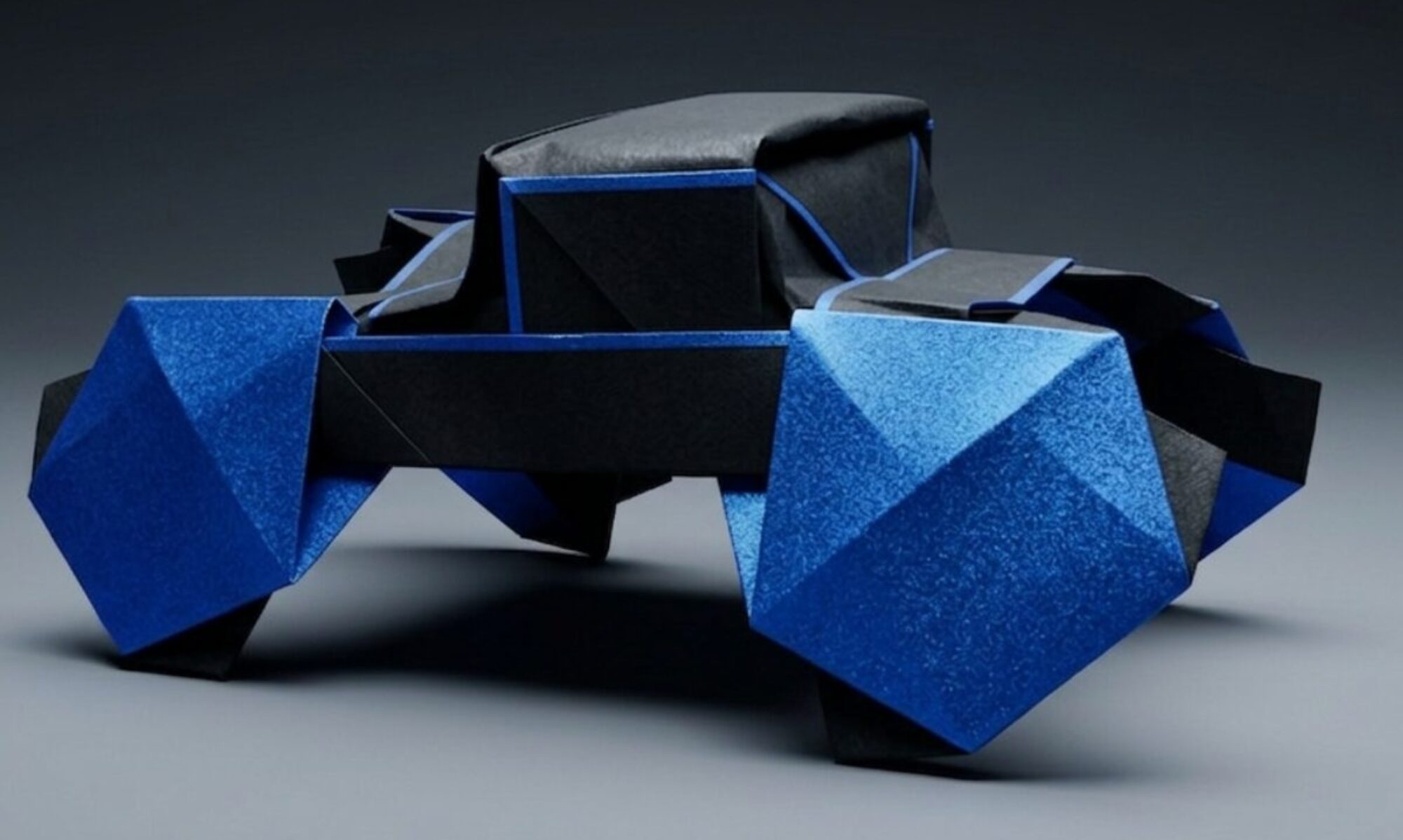
The Geometry of Flight: Inside the Art of High-Performance Paper Engineering
A great paper airplane is more than just a folded sheet of paper—it is an…
-
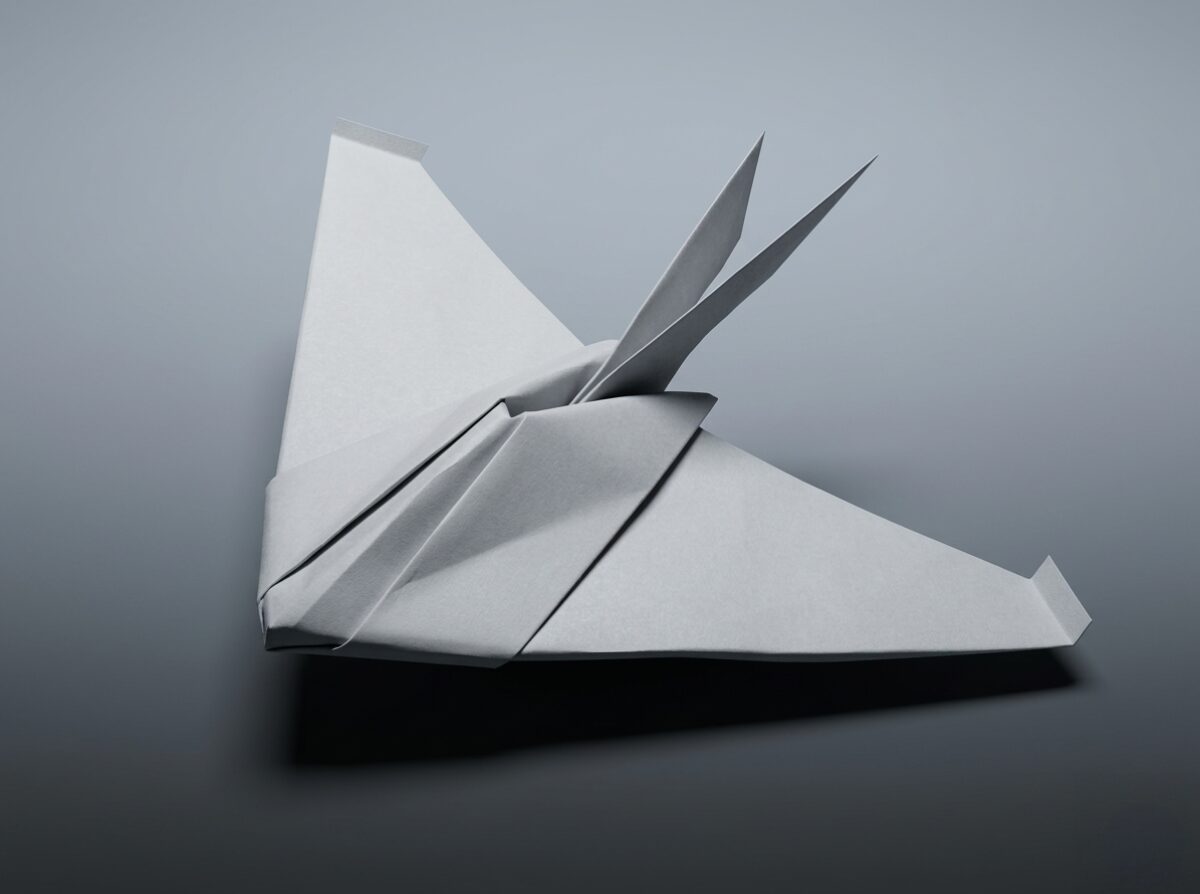
Welcome to the Launchpad: The Story Behind TriKdanG
Hey everyone, Trik here! If you’ve followed my journey on YouTube, you already know what…

